
Japanese Foods : Ramen originated in China but was adapted and perfected in Japan becoming a cultural icon.
Each region in Japan has its own ramen style making it a diverse and exciting dish to explore.
Japanese Foods A Flavorful Journey Through Tradition Taste and Culture
Japanese food is not just about eating it’s about experiencing balance simplicity artistry and deep cultural heritage From delicate sushi rolls to comforting bowls of ramen Japanese cuisine reflects precision seasonality and respect for ingredients Every dish tells a story and every bite feels thoughtfully crafted.
If you love exploring global flavours Japanese cuisine offers an unforgettable culinary adventure. In this detailed guide, well explore some of the most iconic Japanese dishes understand what they are made of, and even learn how to prepare a few of them at home.
Lets dive into the delicious world of Japanese cuisine.
What Is Sushi?
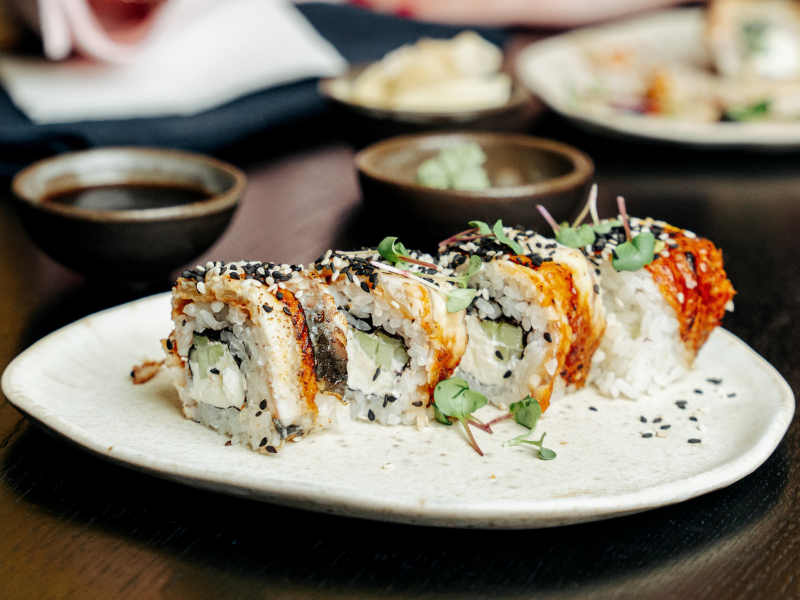
When people think of Japanese food sushi is usually the first dish that comes to mind But surprisingly sushi is not just raw fish.
Sushi is a traditional Japanese dish made with vinegared rice and various ingredients such as seafood vegetables and sometimes tropical fruits The key element that defines sushi is the seasoned rice not the fish.
There are different types of sushi
Nigiri Hand pressed rice topped with fish or seafood
Maki Rolled sushi wrapped in seaweed nori
Sashimi Sliced raw fish technically not sushi because it has no rice
Temaki Hand rolled cone shaped sushi
Uramaki Inside out roll with rice on the outside
Sushi represents balance sweet salty sour and umami flavours working together in harmony.
What Is Sushi Made Of?
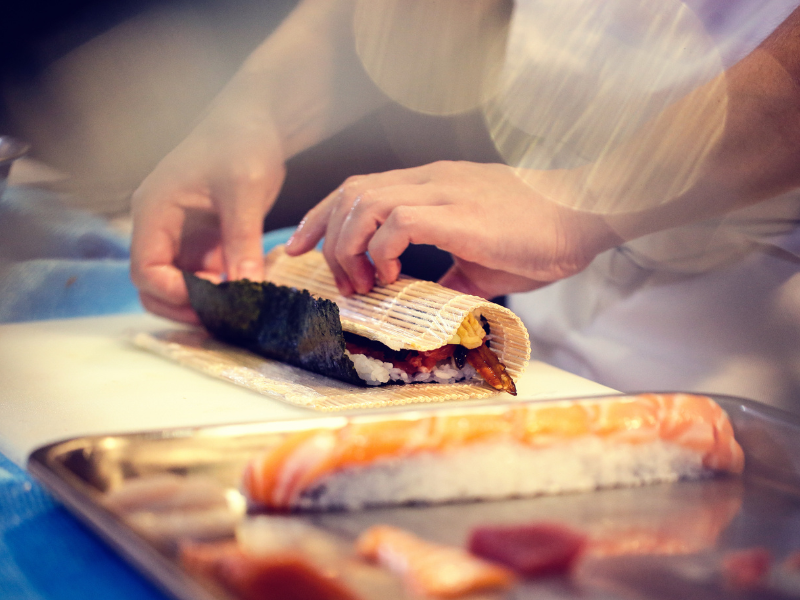
The foundation of sushi includes a few essential ingredients
Sushi Rice
Short grain Japanese rice mixed with rice vinegar sugar and salt This gives sushi its slightly sweet and tangy flavor.
Seafood
Fresh raw fish like tuna salmon yellowtail or shrimp Cooked seafood such as crab or eel is also common.
Nori
Dried seaweed sheets used to wrap sushi rolls.
Vegetables
Cucumber avocado pickled radish carrots and asparagus.
Condiments
Soy sauce wasabi and pickled ginger are typically served alongside sushi.
The beauty of sushi lies in its simplicity high quality ingredients with minimal seasoning.
What Are Noodles?
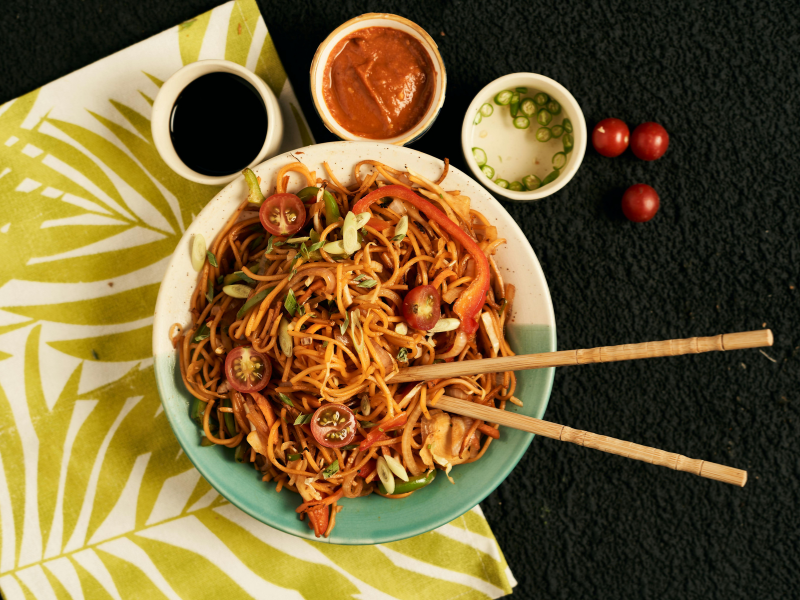
Noodles are thick chewy Japanese wheat noodles known for their soft texture and comforting taste They are typically served in a light soy-based broth and topped with ingredients like tempura green onions and tofu.
Unlike thin pasta noodles are thick and smooth making them perfect for absorbing flavorful broths.
Popular dishes include
Keke Simple in hot broth
Tempura topped with crispy tempura
Yaki Stir fried noodles
is often enjoyed during colder months because of its warming qualities.
What Is Tempura?
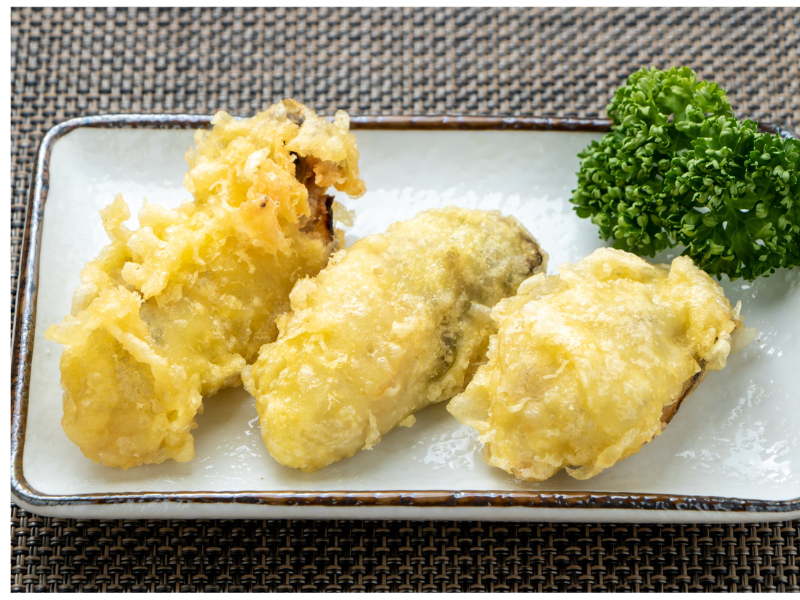
Tempura is a Japanese cooking technique where seafood or vegetables are lightly battered and deep fried until crisp and golden.
It was introduced to Japan in the 16th century by Portuguese traders but has evolved into a uniquely Japanese culinary art.
Common tempura ingredients include
Shrimp
Sweet potat
Pumpkin
Mushrooms
The secret to perfect tempura lies in the batter It should be light airy and slightly lumpy. Ice cold water is used to prevent gluten development keeping the coating crisp and delicate.
Tempura is usually served with a dipping sauce made from soy sauce mirin and dashi broth.
What Are Soba Noodles?
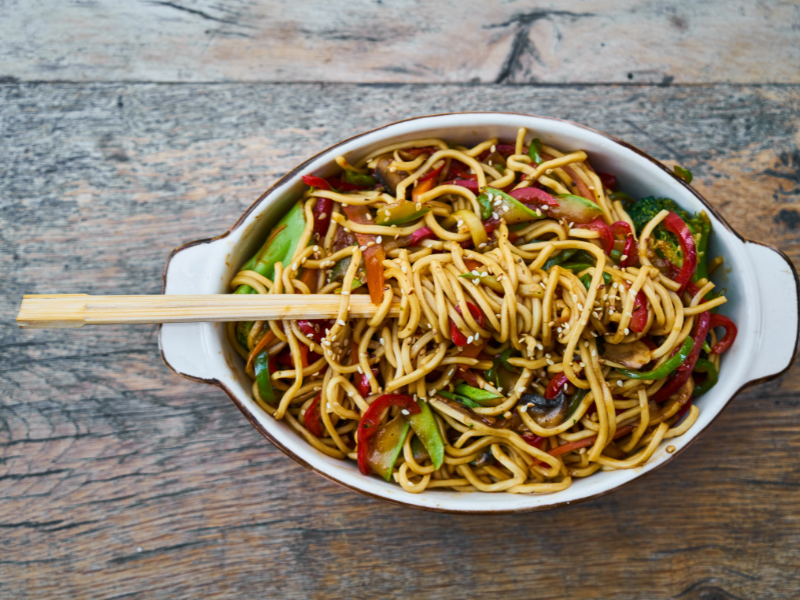
Soba noodles are thin noodles made primarily from buckwheat flour They have a slightly nutty flavor and are healthier compared to regular wheat noodles because buckwheat is rich in fiber and protein.
Soba can be served
Hot in broth
Cold with dipping sauce Zaru Soba
Because buckwheat is naturally glutenfree soba can be a lighter option although some versions still contain wheat flour for elasticity.
Soba is often eaten on New Years Eve in Japan as a symbol of longevity and good fortune.
How to Make Natto?
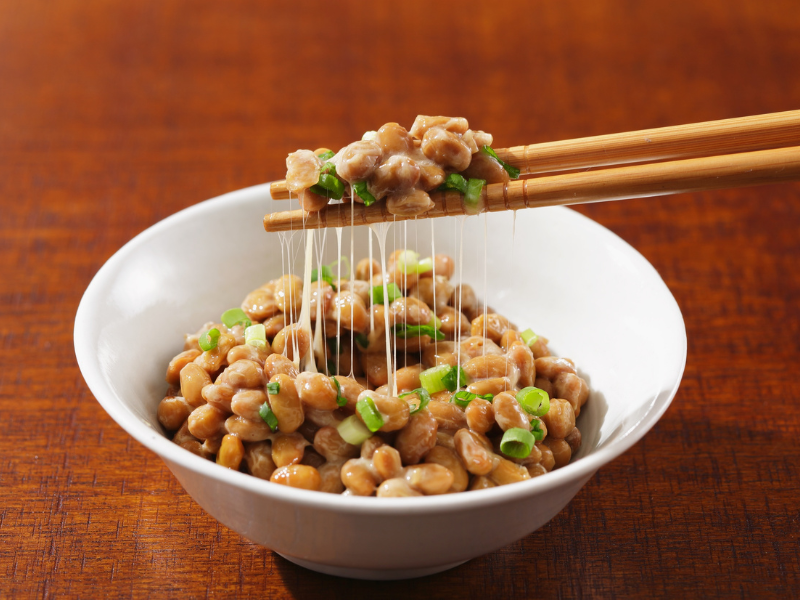
Natto is one of Japans most traditional and unique foods It is made from fermented soybeans and is known for its strong smell sticky texture and powerful nutritional benefits.
Ingredients
2 cups dried soybeans
Natto starter culture Bacillus subtilis
Method
Soak soybeans overnight.
Steam or pressure cook until soft.
Let cool slightly.
Mix in natto starter culture.
Incubate at around 40°C for 24 hours.
Refrigerate for 1 2 days to develop flavor.
Natto is rich in probiotics vitamin K2 and protein It is commonly eaten with rice and soy sauce for breakfast in Japan.
What Are Noodles Made Of?
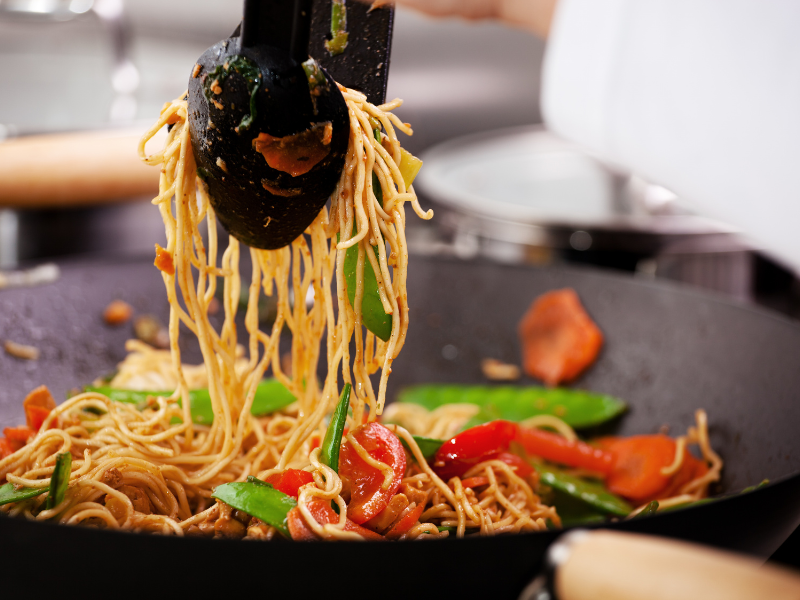
noodles have a surprisingly simple ingredient list
Wheat flour
Water
Salt
That’s it.
The dough is kneaded thoroughly traditionally even stepped on with feet wrapped in plastic for elasticity then rolled out and cut into thick strands.
Their simplicity is what makes them so versatile. They pair beautifully with broths curries or stir fry dishes.
How to Make Mochi
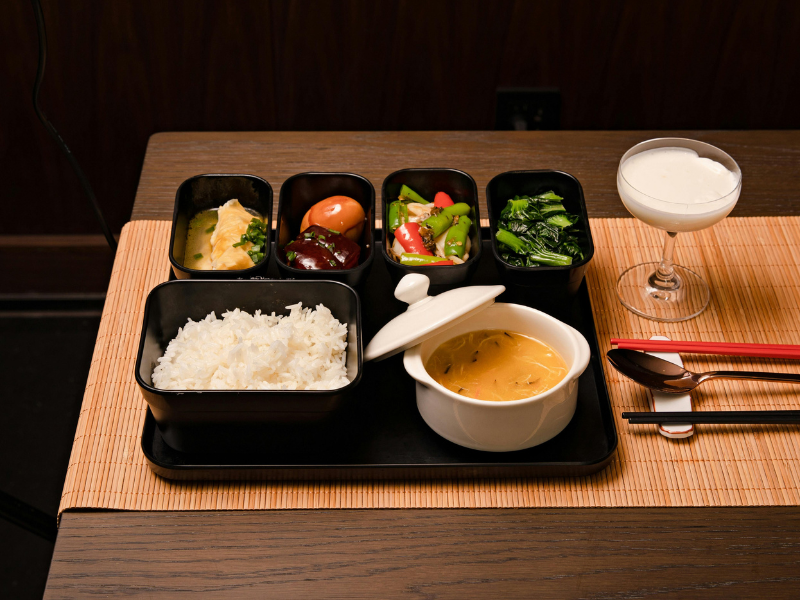
Mochi is a soft chewy Japanese rice cake made from glutinous rice. It has a stretchy texture and can be enjoyed plain or filled with sweet red bean paste ice cream or fruit.
Traditional Method Mochitsuki
Soak glutinous rice overnight.
Steam until soft.
Pound repeatedly in a mortar usu using a wooden mallet kine.
Shape into smooth balls.
Easy Home Method:
Mix glutinous rice flour with water and sugar.
Microwave until sticky.
Dust surface with cornstarch.
Shape and fill as desired.
Mochi is especially popular during Japanese New Year celebrations.
What Is Ramen?
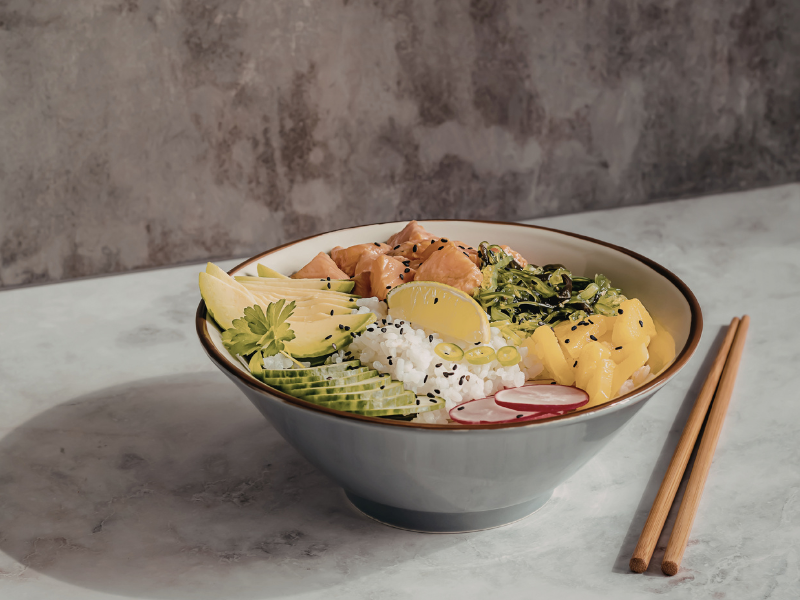
Ramen is a Japanese noodle soup dish that has gained worldwide popularity It consists of wheat noodles served in a rich broth with toppings such as sliced pork soft boiled eggs seaweed and green onions.
There are several types of ramen broths
Shoyu Soy sauce based
Miso Fermented soybean paste broth
Shio Salt based broth
Tonkotsu Creamy pork bone broth
How to Make Ramen Noodles?
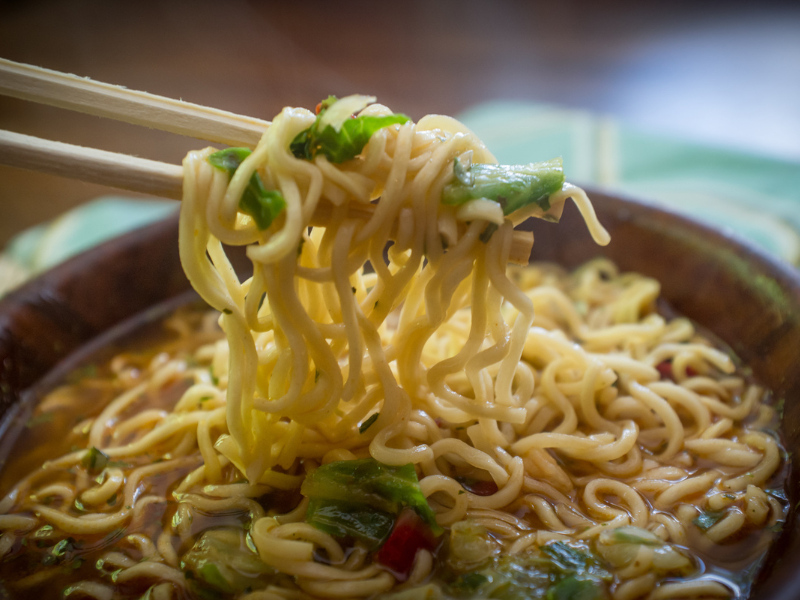
Homemade ramen noodles require specific ingredients to achieve their signature texture.
Ingredients:
2 cups bread flour
1 teaspoon salt
teaspoon baking soda baked in oven to create kansui substitute
cup water
Method
Dissolve salt and baked baking soda in water.
Gradually mix into flour.
Knead until firm dough forms.
Rest for 30 minutes.
Roll thin and cut into noodles.
Boil for 2 3 minutes before adding to broth.
The secret to ramen noodles firm texture is kansui alkaline water which gives them their distinct chewiness and yellow color.
The Beauty of Japanese Cuisine
Japanese food is built on five core principles
Seasonality
Presentation
Freshness
Balance
Simplicity
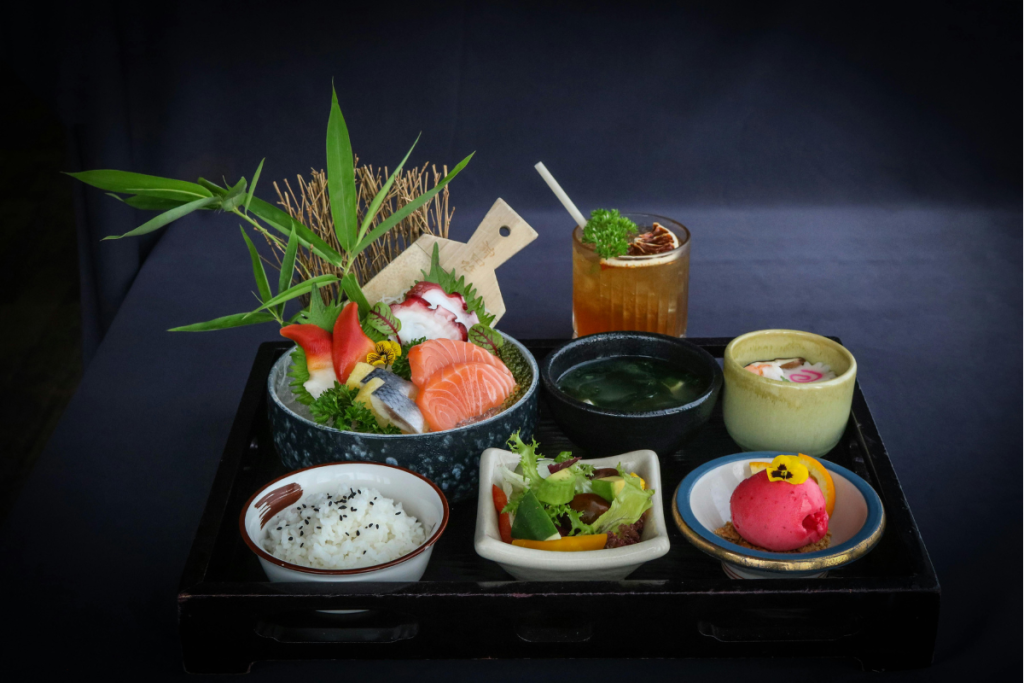
Meals are carefully arranged to look beautiful and harmonious Even everyday dishes feel artistic.
Japanese cuisine also emphasizes
Portion control
Fresh vegetables
Seafood
Fermented foods
Low oil usage
This is one reason Japan is known for its high life expectancy and healthy population.