Korean Foods: A Complete Guide to Popular Korean Dishes and Ingredients
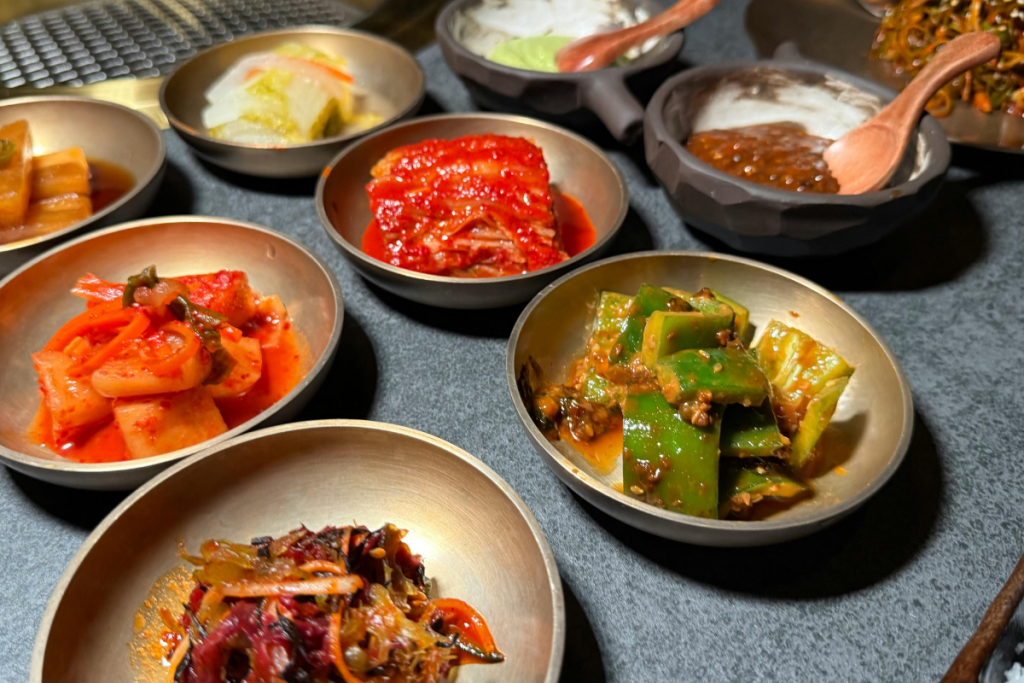
Korean cuisine has gained worldwide popularity for its bold flavors vibrant colors and balanced nutrition From spicy street food to fermented side dishes Korean food reflects centuries of tradition culture and culinary creativity What makes Korean cuisine truly special is the harmony between spicy savory sweet and umami flavors Meals often include rice vegetables fermented foods and protein rich ingredients that create a well balanced diet.
Iconic dishes such as Kimchi Kimbap and Tteokbokki are loved not only in Korea but also across the world Korean food culture also emphasizes sharing meals and enjoying many small side dishes called banchan alongside the main dish.
In this detailed guide we will explore some of the most popular Korean foods and ingredients how they are made their nutritional value and whether they are vegetarian friendly.
What is Kimchi?
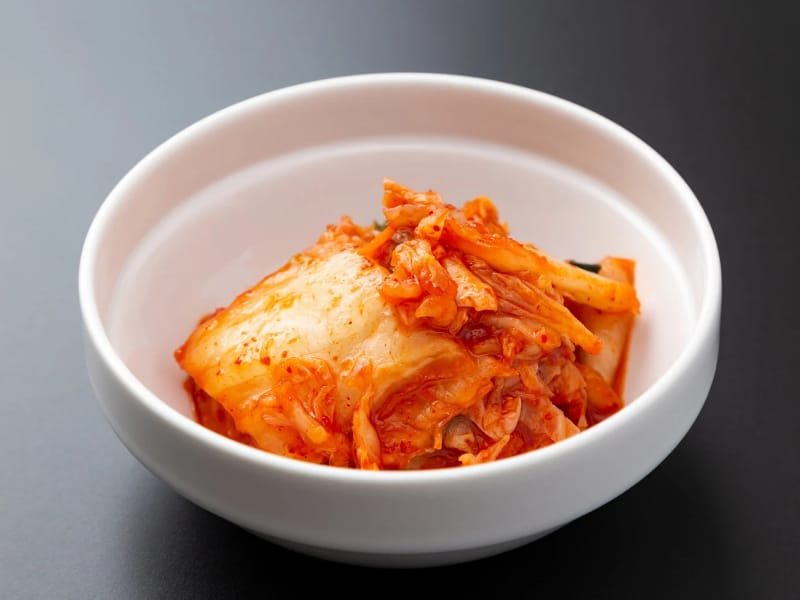
Kimchi is one of the most famous traditional Korean foods It is a fermented vegetable dish usually made with napa cabbage radish garlic ginger chili powder and salt Fermentation gives kimchi its distinctive sour and spicy flavor while also providing many health benefits.
Kimchi has been a staple in Korean households for over 2000 years Originally it was created as a way to preserve vegetables during harsh winters Today there are more than 200 varieties of kimchi in Korea each with different ingredients and flavors.
Health Benefits of Kimchi
Kimchi is considered a superfood because it is rich in nutrients and probiotics Some benefits include:
Improves digestion due to healthy bacteria
Strengthens the immune system
Helps control cholesterol levels
Supports gut health
Contains vitamins A , B and C
Because it is fermented kimchi is packed with beneficial microorganisms that promote digestive health.
Is Kimchi Vegetarian?
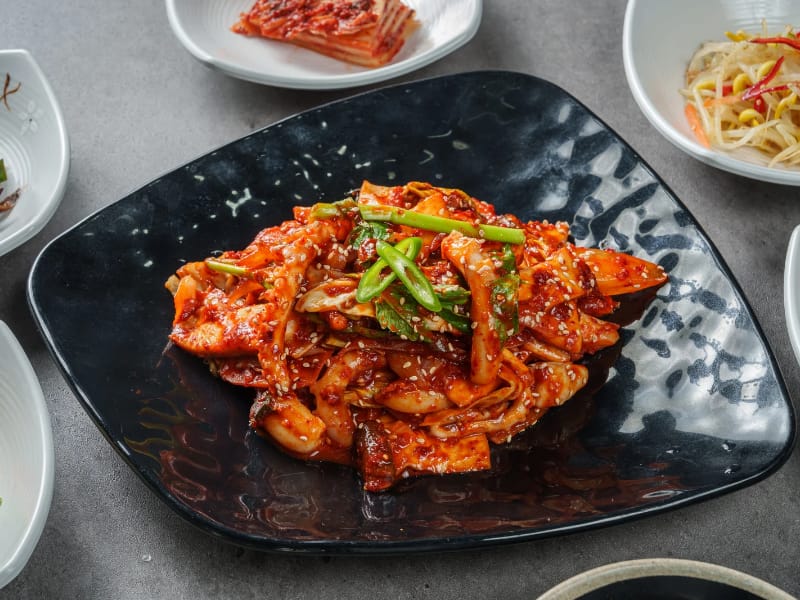
Many people assume kimchi is always vegetarian but that is not always the case.
Traditional kimchi recipes often include ingredients like:
Fish sauce
Shrimp paste
Anchovy broth
These ingredients add deep umami flavor but make the dish non vegetarian.
Vegetarian Kimchi
Vegetarian or vegan kimchi can easily be made by replacing seafood ingredients with plant based alternatives such as:
Soy sauce
Miso paste
Seaweed broth
Mushroom powder
This version still maintains the classic spicy and tangy taste while being completely plant based.
What is Mandu Famous For?
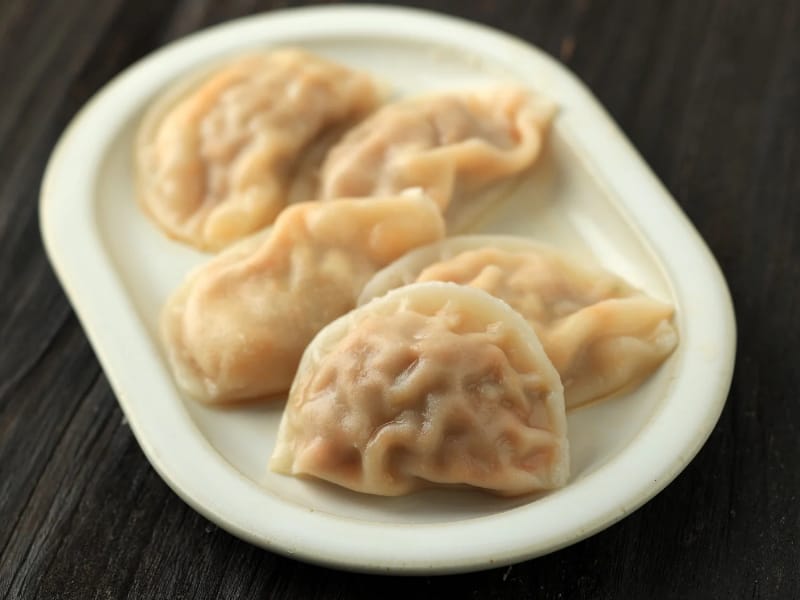
Mandu are Korean dumplings that are loved for their delicious filling and soft texture They are similar to dumplings found in Chinese and Japanese cuisines but have their own unique Korean flavor.
Mandu are famous for their versatility They can be
Steamed
Boiled
Pan fried
Deep fried
Common Mandu Fillings
The filling usually contains a mix of
Minced meat pork or beef
Tofu
Garlic
Ginger
Green onions
Glass noodles
Vegetables like cabbage or kimchi
Vegetarian mandu are also popular and usually contain tofu mushrooms and vegetables.
Mandu are often served during Korean holidays such as Lunar New Year because they symbolize prosperity and good fortune.
How to Make Kimbap?
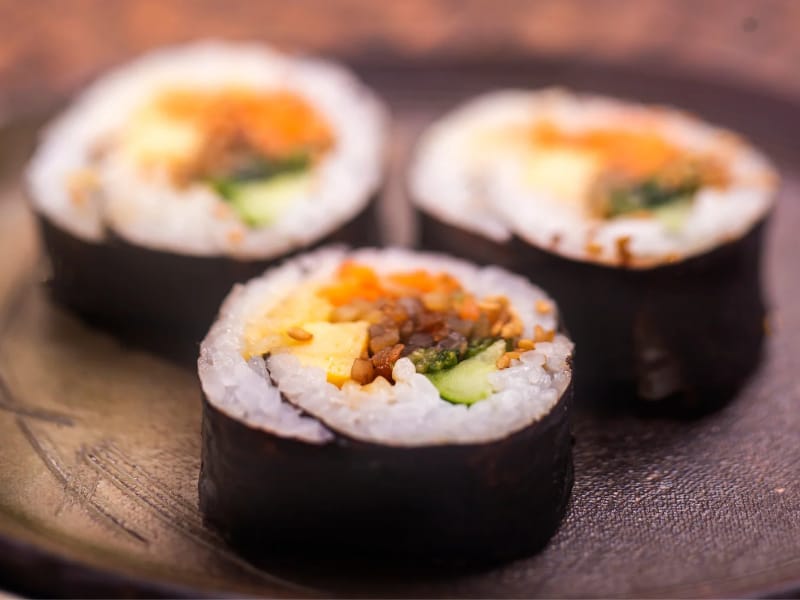
Kimbap is a popular Korean rice roll that looks similar to sushi but has completely different flavors It is made using cooked rice and various fillings wrapped in seaweed sheets.
Ingredients
Cooked short grain rice
Seaweed sheets gim
Carrot strips
Cucumber
Pickled radish
Spinach
strips
Tofu or cooked meat optional
Step by Step Method
Cook rice and season it with sesame oil and salt.
Place a sheet of seaweed on a bamboo rolling mat.
Spread a thin layer of rice on the seaweed.
Add fillings like vegetables egg and tofu in the center.
Roll the seaweed tightly using the mat.
Slice the roll into bite sized pieces.
Kimbap is commonly eaten as a lunch box meal picnic food or quick snack.
Is Tteokbokki Vegetarian?
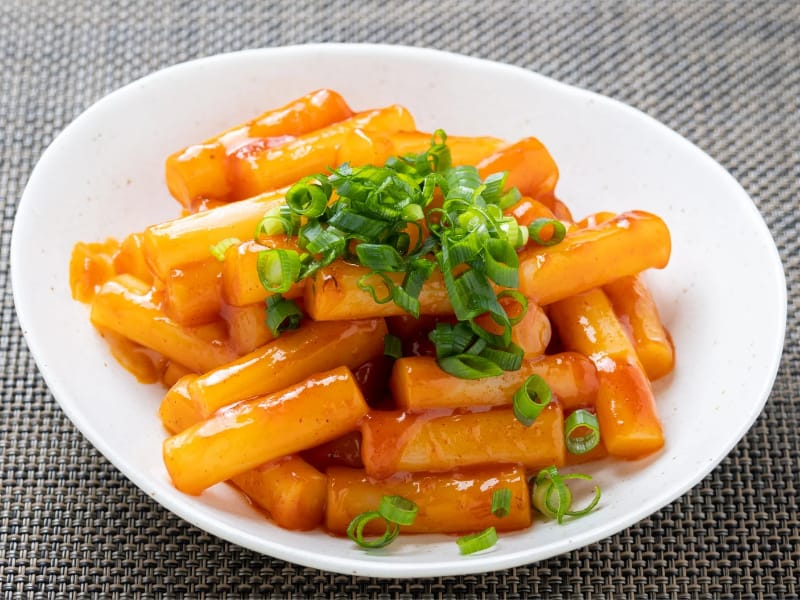
Tteokbokki is one of the most popular Korean street foods It consists of chewy rice cakes cooked in a spicy red chili sauce.
Traditional tteokbokki sauce sometimes includes fish cakes and anchovy broth which makes it non vegetarian.
Vegetarian Version
Vegetarian tteokbokki can be made using
Vegetable broth instead of anchovy broth
Rice cakes
Cabbage
Green onions
Carrots
Gochujang chili paste
This plant-based version is just as flavorful and spicy.
How to Make Tteokbokki ?
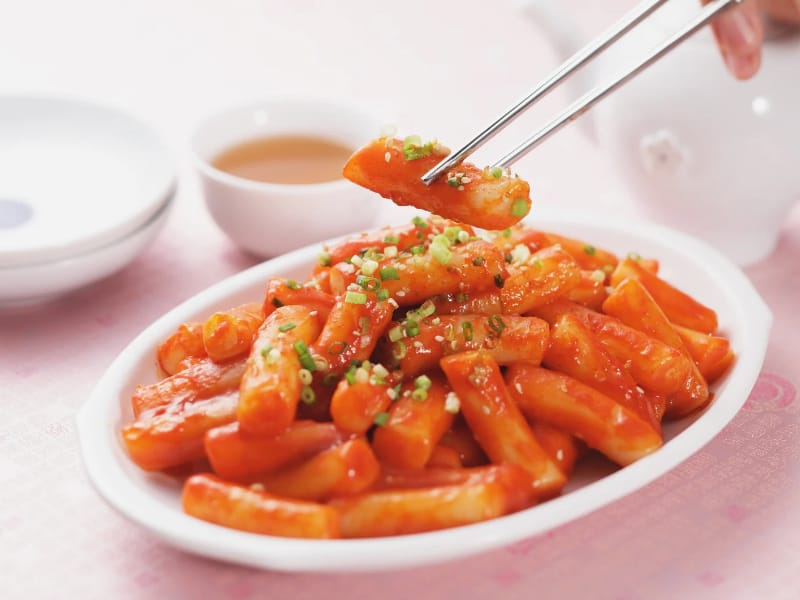
Making tteokbokki at home is simple and quick.
Ingredients
Korean rice cakes
Gochujang Korean chili paste
Garlic
Sugar
Soy sauce
Vegetable broth
Green onions
Sesame seeds
Cooking Instructions
Heat vegetable broth in a pan.
Add gochujang soy sauce sugar and minced garlic.
Stir until the sauce becomes smooth.
Add rice cakes and cook for 8 to 10 minutes.
Stir occasionally until the sauce thickens.
Garnish with green onions and sesame seeds.
The result is a spicy sweet and chewy dish that is incredibly addictive.
What is Gochujang?
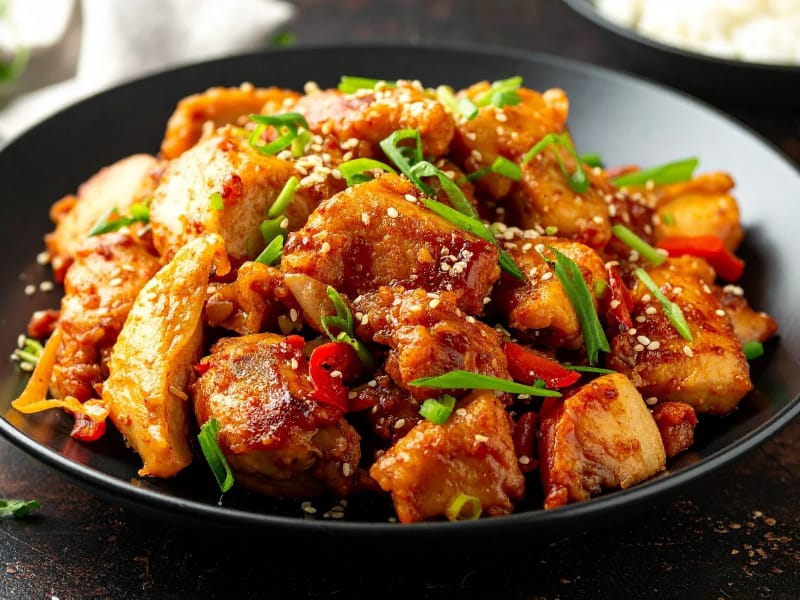
Gochujang is a traditional Korean fermented chili paste that forms the base of many Korean dishes.
It is made using
Red chili powder
Fermented soybeans
Glutinous rice
Salt
The paste ferments for months creating a deep rich flavor that is spicy slightly sweet and umami packed.
Uses of Gochujang
Gochujang is used in many Korean dishes such as
Tteokbokki
Bibimbap
Korean stews
Marinades for meat
Sauces for noodles
It is one of the most essential ingredients in Korean cooking.
How to Make Tofu at Home?
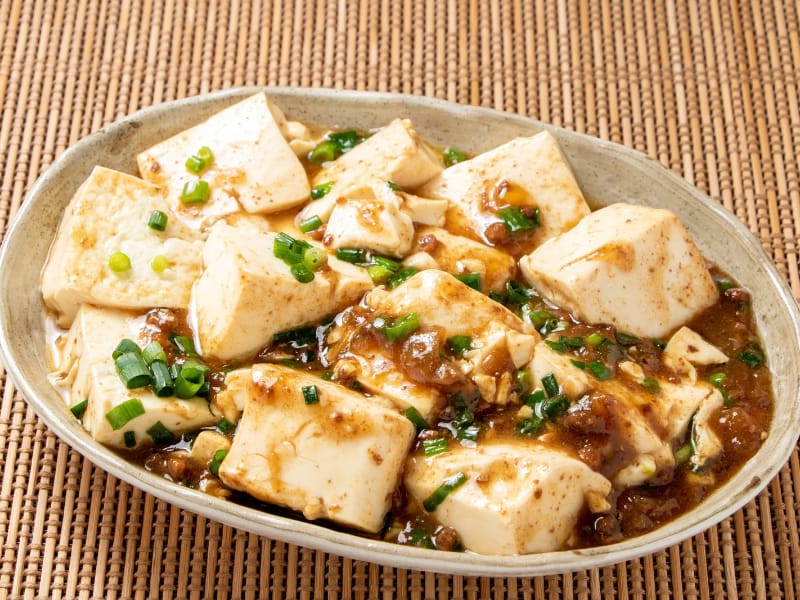
Tofu is a protein rich food made from soybeans It is widely used in Korean vegetarian dishes and is known for its soft texture and ability to absorb flavors.
Ingredients
Soybeans
Water
Coagulant lemon juice or vinegar
Steps to Make Tofu
Soak soybeans overnight in water.
Blend the soaked soybeans with water to make soy milk.
Boil the soy milk and strain it through cloth.
Add lemon juice or vinegar to coagulate the soy milk.
Curds will form and separate from the liquid.
Press the curds in a mold to form tofu blocks.
Homemade tofu is fresh healthy and free from preservatives.
How Much Protein in 100g Tofu?
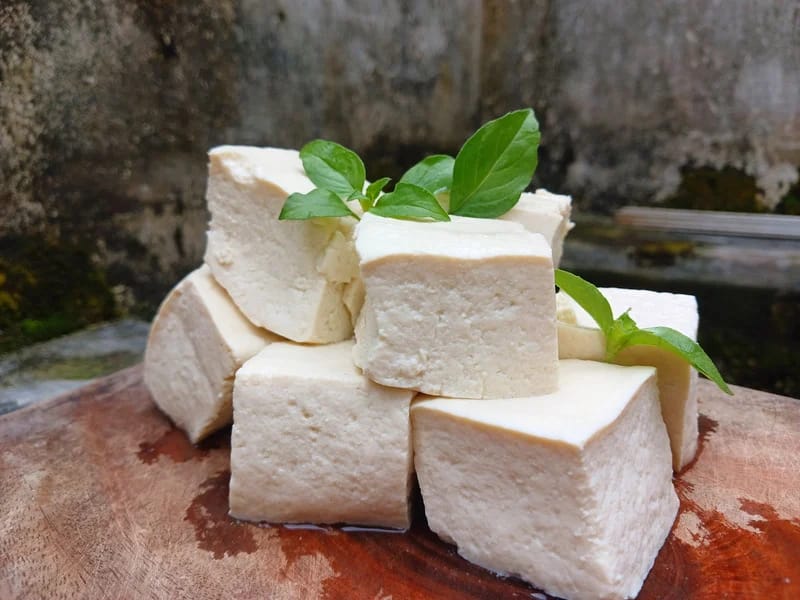
Tofu is an excellent plant based protein source especially for vegetarians and vegans.
Nutritional Value of 100g Tofu
Protein 8 to 10 grams
Calories 70 to 80 kcal
Fat 4 to 5 grams
Calcium: High
Iron: Moderate amount
Tofu is also low in carbohydrates and contains essential amino acids making it a healthy protein option.
It is often used in Korean soups stir fries and stews.
How to Make Soybean?
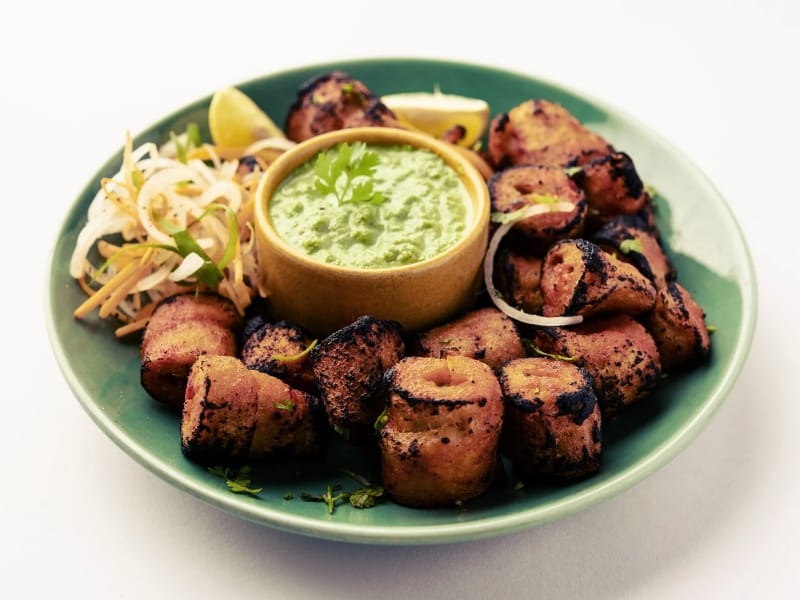
Soybean is one of the most important ingredients in Korean cuisine Many foods like tofu soy sauce and fermented soybean paste come from soybeans
Cooking Soybeans at Home
Wash and soak soybeans in water overnight.
Drain and rinse them thoroughly.
Add them to a pot with fresh water.
Boil for 1 to 2 hours until soft.
Add salt or seasonings as desired.
Cooked soybeans can be used in salads soups or side dishes.
Nutritional Benefits of Soybeans
Soybeans are highly nutritious and provide:
High quality plant protein
Fiber
Iron
Calcium
Healthy fats
They are considered one of the healthiest plant based foods in the world.
Why Korean Food is So Popular Worldwide
Korean food has become globally famous because it combines flavor nutrition and tradition Some key reasons include:
Bold spicy and fermented flavors
Healthy ingredients like vegetables and fermented foods
Balanced meals with rice protein and side dishes
Attractive presentation and vibrant colors
The global popularity of Korean culture including K dramas and K pop has also helped introduce Korean cuisine to millions of people worldwide.